This issue invites a layered, fluid exploration of water as both material and metaphor. We call for ideas about surface, water’s role as a witness to history, a mystery of nature, a powerful creative force, and its resistance—asking what stories water can tell and how we can respond.
Water holds the duality of presence and absence. It shapes landscapes and carves liquid memory into matter. It nourishes, floods, erodes, purifies. It binds ecosystems and communities while also dividing or hiding them. It surrounds us, flows through us, we design with it, defend against it, and depend on it, yet much of it remains unknown.
In this issue, we seek to reflect on water not just as a substance, but as a symbol, actor, and archive—something that trickles through culture, design, belief, and survival. Nevertheless, water does not only flow—it resists. We invite you to contemplate the power of "no" in relation to water: the refusals, boundaries, and absences that shape how water is accessed, controlled, and experienced. How has water’s natural fluidity change? Is water retaliating against us? What does it mean to say no to drought, to privatization, to rising tides? Where does water stop—and who decides? From the built environment to ecological systems, from cultural taboos to infrastructural borders, we are interested in how rejection, limits, and cautionary decisions create spatial, political, and emotional contours around water.
This issue invites a layered, fluid exploration of water as both material and metaphor. We call for ideas about surface, water’s role as a witness to history, a mystery of nature, a powerful creative force, and its resistance—asking what stories water can tell and how we can respond.
Water holds the duality of presence and absence. It shapes landscapes and carves liquid memory into matter. It nourishes, floods, erodes, purifies. It binds ecosystems and communities while also dividing or hiding them. It surrounds us, flows through us, we design with it, defend against it, and depend on it, yet much of it remains unknown.
In this issue, we seek to reflect on water not just as a substance, but as a symbol, actor, and archive—something that trickles through culture, design, belief, and survival. Nevertheless, water does not only flow—it resists. We invite you to contemplate the power of "no" in relation to water: the refusals, boundaries, and absences that shape how water is accessed, controlled, and experienced. How has water’s natural fluidity change? Is water retaliating against us? What does it mean to say no to drought, to privatization, to rising tides? Where does water stop—and who decides? From the built environment to ecological systems, from cultural taboos to infrastructural borders, we are interested in how rejection, limits, and cautionary decisions create spatial, political, and emotional contours around water.

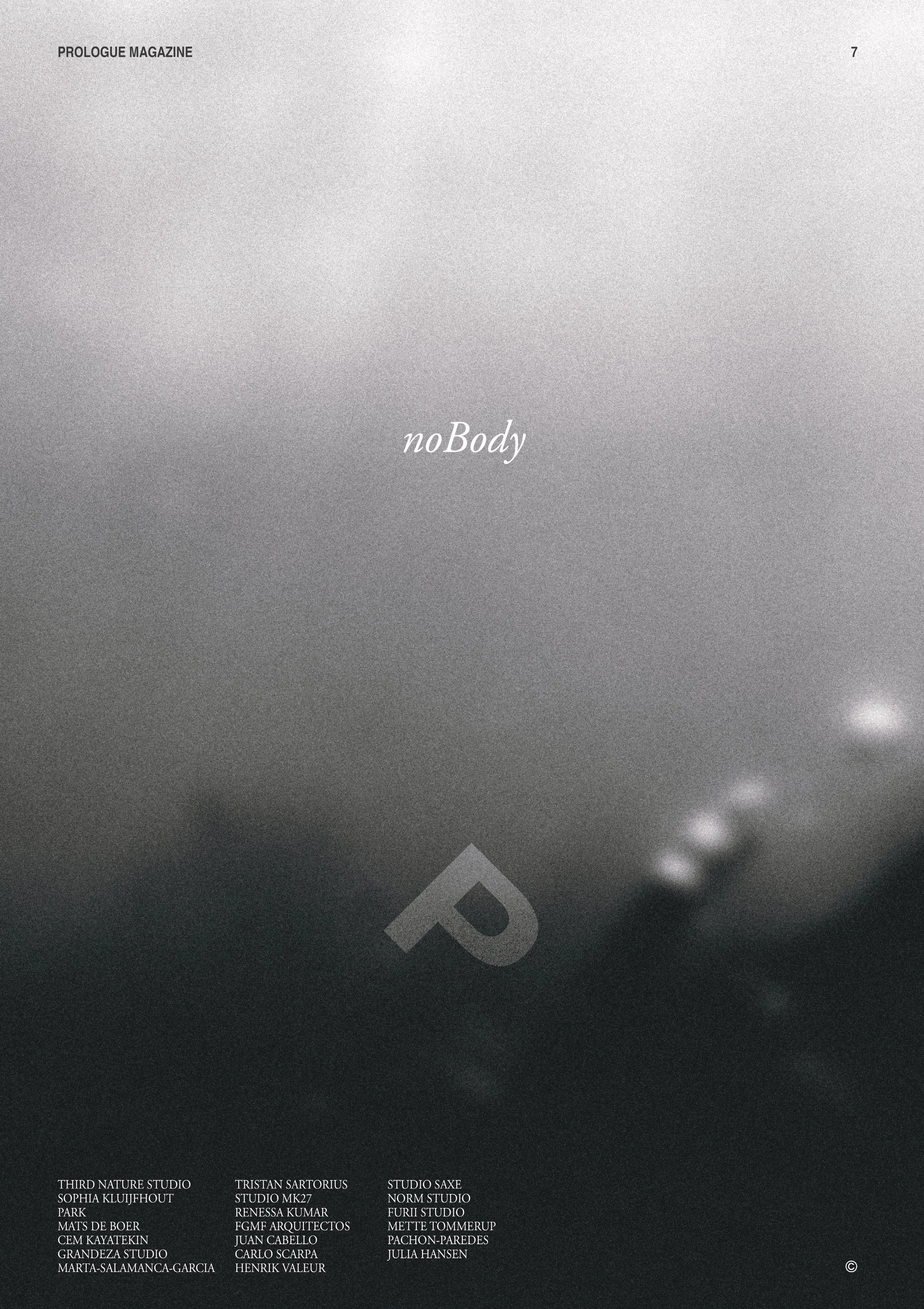 Image 1 of 12
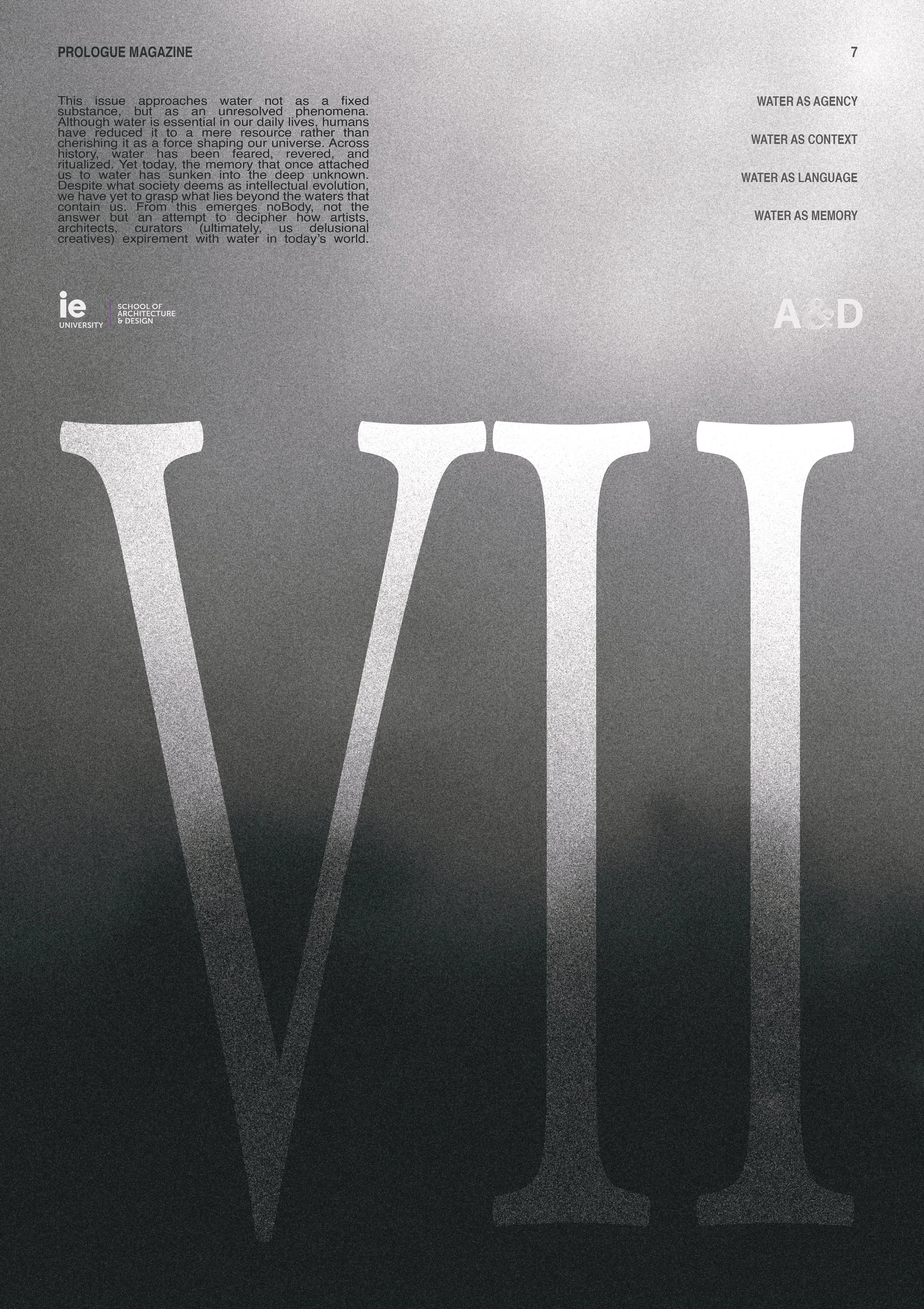 Image 2 of 12
 Image 3 of 12
 Image 4 of 12
 Image 5 of 12
 Image 6 of 12
 Image 7 of 12
 Image 8 of 12
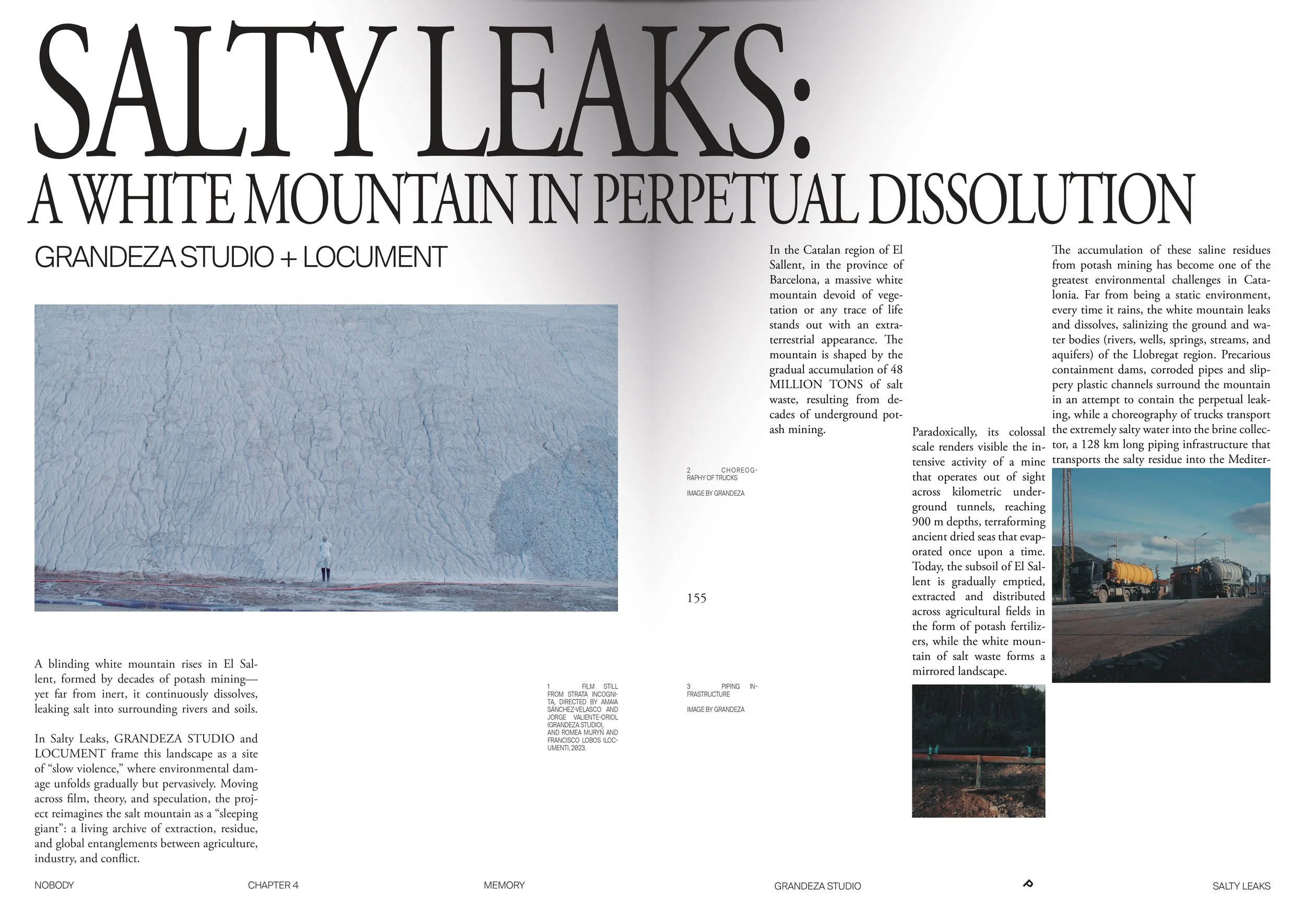 Image 9 of 12
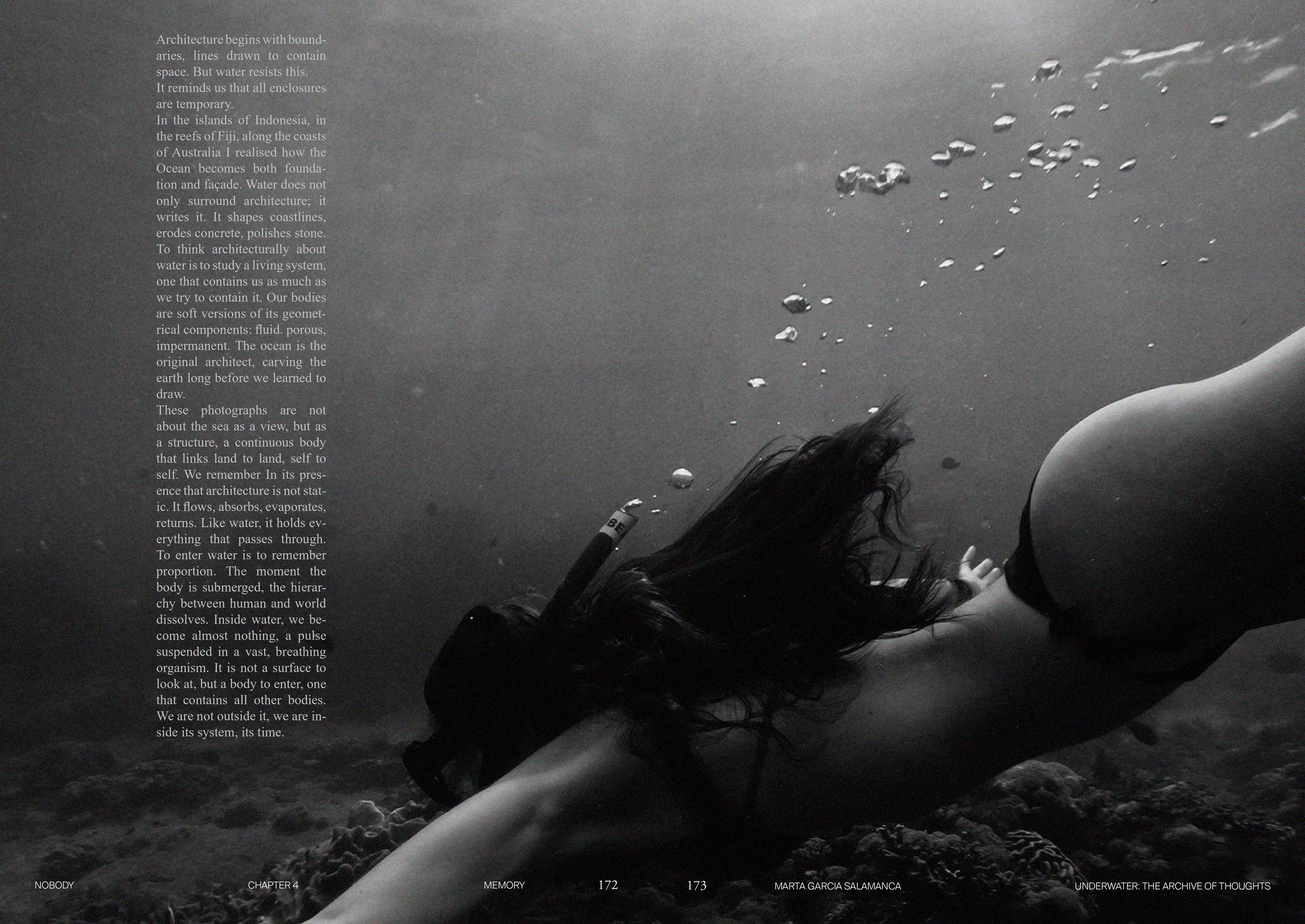 Image 10 of 12
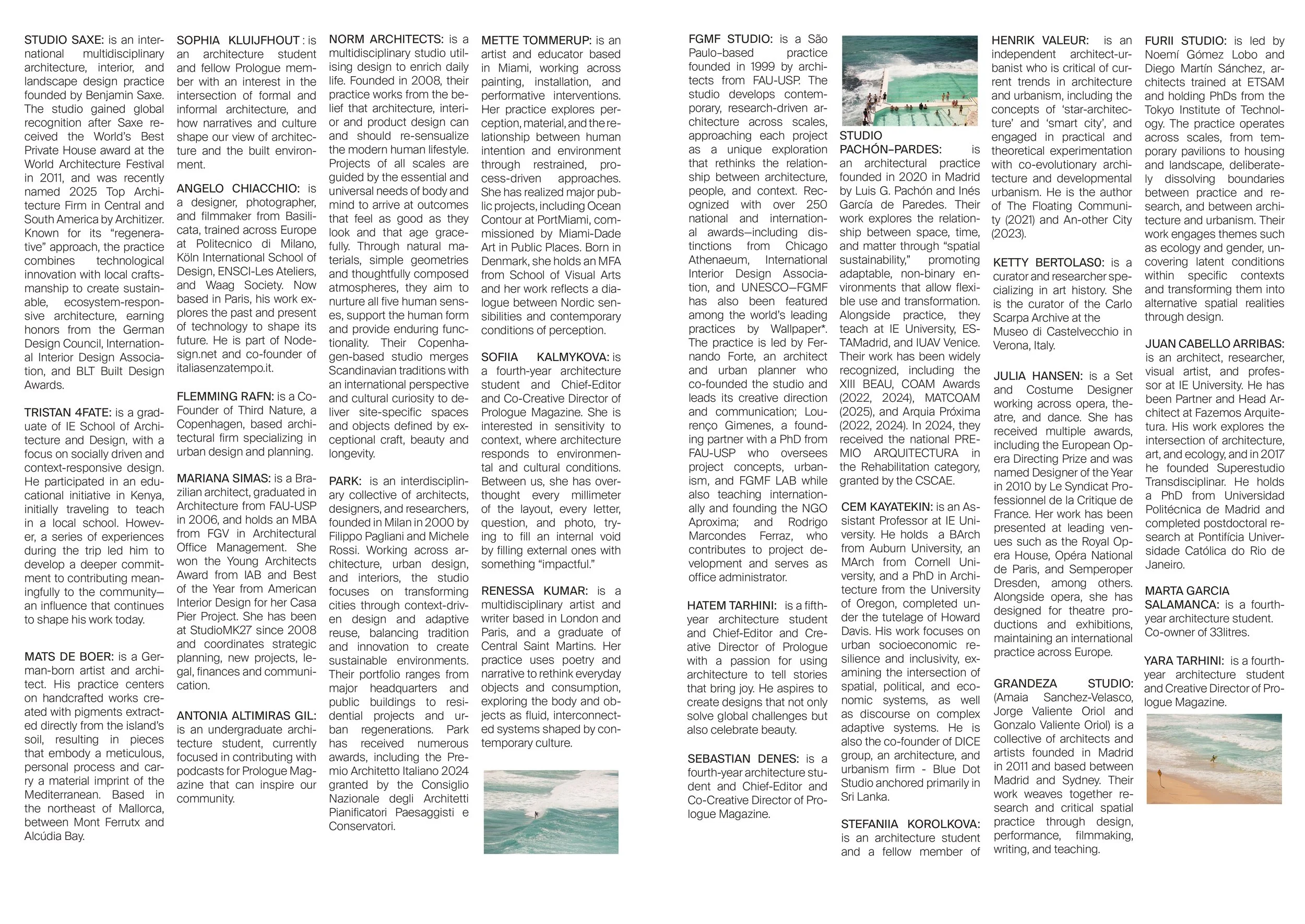 Image 11 of 12
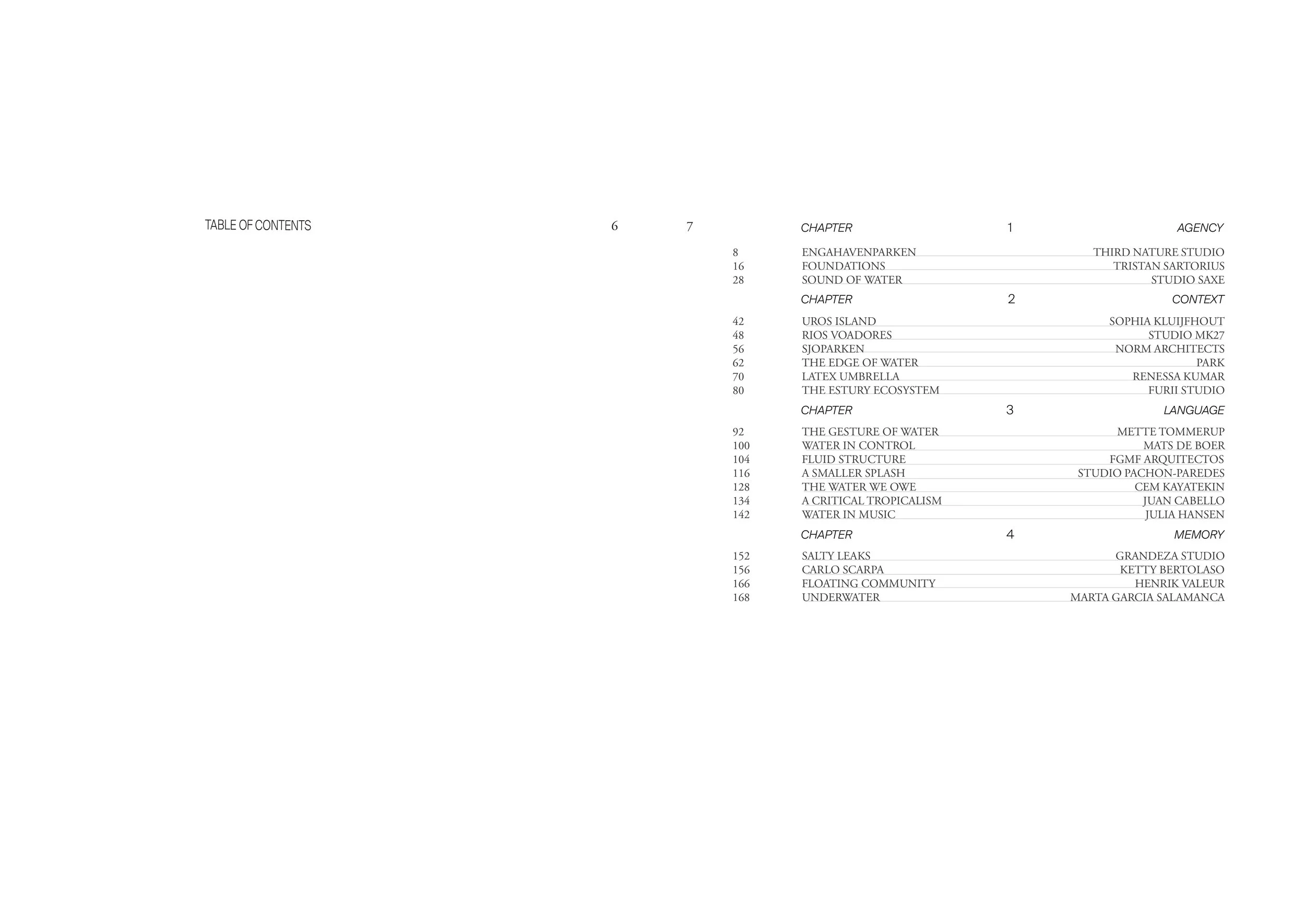 Image 12 of 12